Living in Canada and worried about dry and itchy skin? Dry and itchy skin may not just be bad luck: hard water could be the culprit.
Basically, clean water is a basic need for everyone, but when the concentration of salts is high, it makes water hard, which is not healthier or cleaner. If you live in Canada, especially in Ontario, you may not get clean water because municipal water is drawn directly from lakes, which are high in salt, making it harder to treat. Hard water is not good for valuable machinery or human health, especially the skin. So, there is a need for time to install RO water filtration systems to get clean water.
In this post, we will discuss how hard water causes dry skin, the effects it has on the skin, the signs of hard water on the skin, and the best solutions to soften hard water.
What is Hard Water?
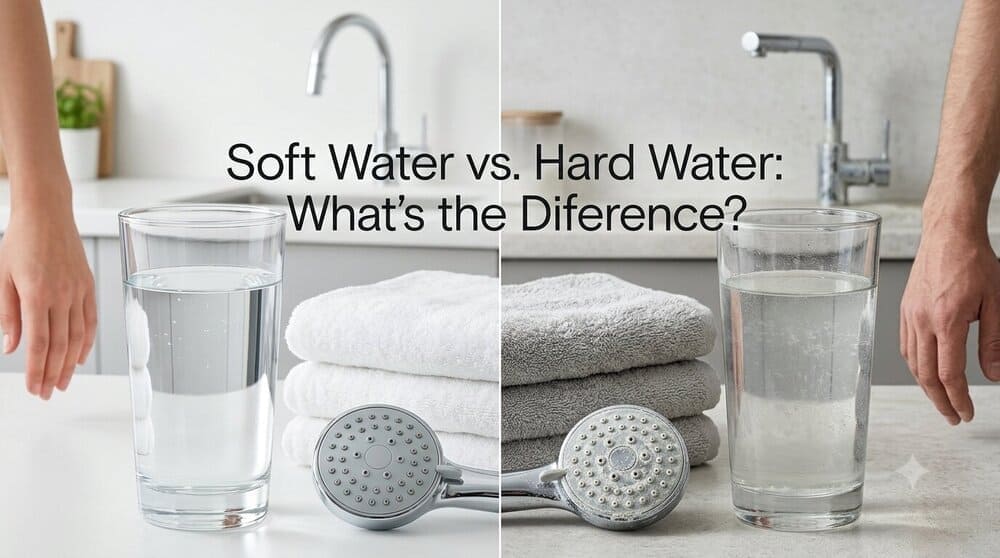
Hard water is a type of water that contains a higher quantity of dissolved minerals, i.e., calcium and magnesium, than the quantity in normal clean water. It absorbs these minerals when it passes through rocks rich in salts and minerals.
In Ontario, high quantities of calcium and magnesium may be present in both municipal water and well water. As municipal water is directly drawn from the lakes, it contains a high level of minerals due to overflow from the surrounding salty rocks, such as limestone. Underground and well water are also rich in minerals because they accumulate over time.
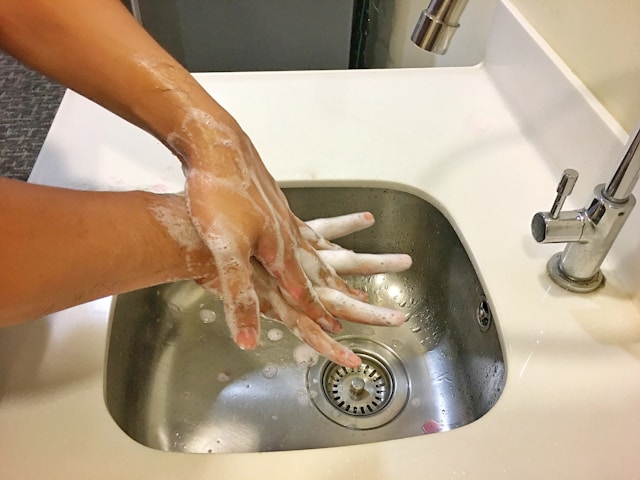
Hard water is not clean water, and it affects our home appliances and our health, especially our skin and hair. The minerals in water affect soap lather, and after that, it does not allow them to clean effectively, and they accumulate on the skin and hair, making them dry and itchy.
Water Hardness Level
| Water Hardness Level | Amount of Magnesium and Calcium in water (mg/litre) |
|---|---|
| Soft Water | 0-60 |
| Moderately hard water | 61-120 |
| Hard Water | 120-180 |
| Very Hard water | Above 180 |
How Hard Water Causes Dry Skin
Hard water and itchy skin:
Hard water causes dry and itchy skin due to the following reasons:
- It prevents soap from making a good lather and fully rinsing, resulting in more soap being used, which not only harms your skin but also strains your budget.
- It leaves mineral and soap residues on the skin, making it itchy and dry.
- It may cause blockage of skin pores, making the skin rough and dull.
- It may cause the skin’s natural oils to be removed, leaving it dry, rough, and tight.
- Long-term use of hard water may trigger skin conditions, including acute eczema and dermatitis (skin inflammation that may leave red spots), as well as irritation.
Signs Your Skin Is Affected by Hard Water
If you use hard water for bathing, your skin will obviously be affected, and you will see the following signs to know that your skin is sensitive to hard water and you need to soften and clean it before using it:
- Mineral scales block skin pores and remove the skin’s natural oils, leaving skin dry, tight, and rough after showering.
- You may feel skin itchiness, rashes, and mild irritation from soap residue.
- You may see the white soap and scum residue on the skin after rinsing with hard water.
- You may feel flaky, rough, or dull skin due to a lack of moisture.
Hard Water and Eczema Treatment
Hard water and eczema are closely linked because minerals in hard water can dry the skin and trigger irritation. Hard water eczema may worsen itching and redness, as eczema hard water exposure damages the skin barrier. Proper care helps reduce eczema and hard water related flare-ups.
Hard water and eczema can be managed with the right treatment. Using gentle, soap-free cleansers, applying moisturizer daily, and reducing hard water exposure can help. For hard water eczema, proper skincare helps control eczema and hard water flare-ups and soothe irritated skin.
Hard Water Effects beyond Dry Skin
Hard water not only causes dry skin; it also has several other effects that may impact your budget.
- It may damage valuable home appliances and water pipes by forming salt deposits.
- Besides dry skin, it may also cause hair issues, leading to dullness, tangling, and frizzy hair.
- It may make soaps, conditioners, and shampoos less effective, and more products are needed to achieve lather and better results.
- For people with sensitive skin conditions, hard water can exacerbate them, leading to acute eczema and dermatitis.
Solutions: Protect Your Skin from Hard Water
Your smooth, moisturized skin makes you look fresh, and you need to protect it. Every problem has a solution. Likewise, the problem of hard water also has a lot of solutions:
Water Softener:
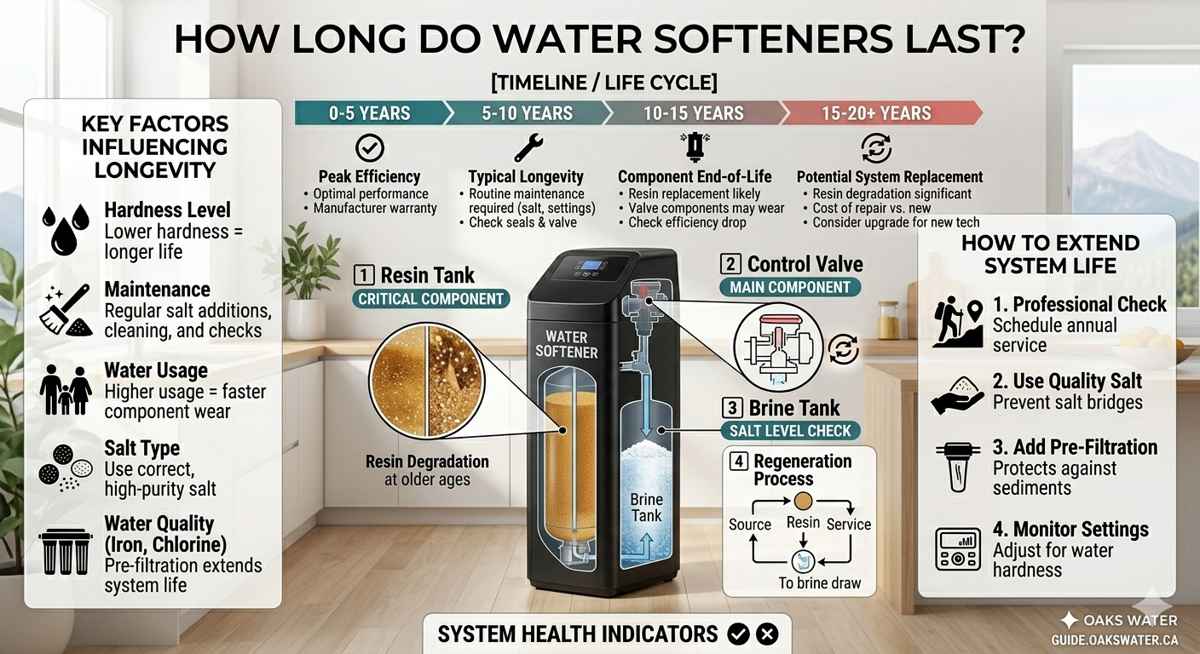
- Use water softeners that remove the minerals in hard water by replacing them with sodium and potassium through ion exchange.
RO filtration system:
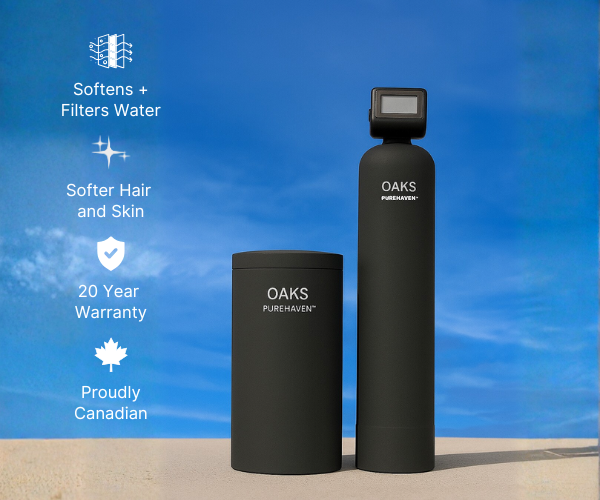
To get cleaner water and less soap residue on your skin, install a water treatment system like a RO water filtration system to get rid of extra calcium and magnesium. To do this, you should call Oaks Wellness Water to get the best advice and a system that won’t break the bank and comes with a 20-year warranty.
Use Mineral-friendly cleansers:
Stay away from harsh soaps that could react with hard water and make your skin dry and itchy. Pick body washes and cleansers that are gentle on minerals, like cream or gel cleansers.
Moisturize immediately after showering:
If you don’t use a water softener or filtration system and bathe in hard water, put moisturizer on your skin within 3–5 minutes of getting out of the shower.
Shorter showers with Lukewarm water:
Instead of hot water, take shorter showers with lukewarm water. Hot water can make your skin itchier and drier.
DIY home remedies:
Some DIY home remedies can help protect your skin from hard water for a short time:
- To get rid of mineral buildup on your skin, rinse it with a vinegar solution.
- Add finely ground oats to the bath water to make an oatmeal bath that will calm the irritation and keep your skin moist.
Benefits of Filtered or Softened Water
If you install a RO water filtration system to clean the water, you may see the benefits of filtered water, such as:
Healthier skin:
You may get healthier and more hydrated skin after taking a bath in softened water.
Reduced eczema or irritation flare-ups:
After using filtered water, you would experience reduced eczema and irritation flare-ups.
More soap lather and less soap residue:
You may experience less soap residue on your skin and hair, which can leave you with smoother skin and hair. Less amount of products will be used, and it will be budget-friendly for you.
Environmental benefits:
The filtered water may give you environmental benefits, too. Less bottled water will be used, making the environment cleaner.
Conclusion
Hard water can cause many problems. One of the most crucial problems is skin dryness, itchiness, irritation, and other severe effects. It is because hard water does not make a good lather and prevents soap from rinsing well. It leaves mineral and soap residues on skin and hair, causing rough skin and frizzy hair. Long-term use may cause severe skin conditions.
But there are lots of solutions to this problem. You may use some simple DIY home remedies. For a permanent solution, install an RO water filtration system in your house to eliminate the entire problem caused by hard water.