Find the Right Water Solution for Your Home
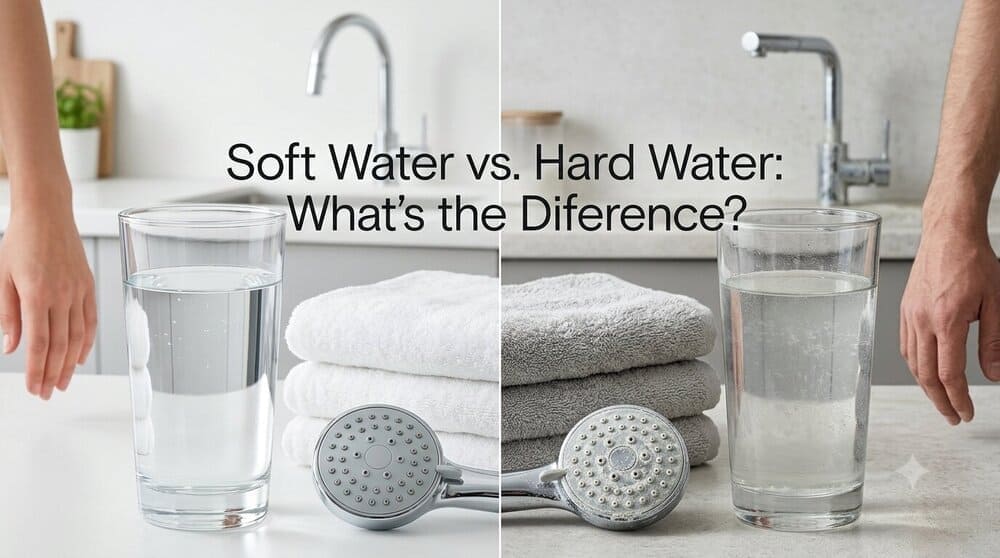
While comparing hard water vs. soft water, everyone wants to know which is better for their home according to their needs. Water is not just a glass of water to drink; it is a necessity you use dozens of times in a day. It may affect the lifespan and efficiency of your appliances, as well as your daily comfort in the shower.
Most Ontario houses have hard water in their homes that contains a high amount of calcium and magnesium. It may not be harmful for drinking purposes, but it may cause scaling on tiles, appliances, and water systems. Soft water has lower mineral content, which provides you with a better experience and greater comfort.
You need to know about soft vs. hard water to get the most out of the water. It is recommended to test your water and, if it is hard, install an OAKS water treatment system.
What Is Hard Water?
Hard water is water with a higher concentration of dissolved minerals, such as calcium and magnesium.
When rainwater seeps into the ground or passes through different rocks and soil, it absorbs various minerals, which make it hard or soft.
The more calcium and magnesium content, the harder the water.
How Water Hardness Is Measured
There are two different methods to measure the hardness level of hard water:
- Grains per gallon (GPG): A method for measuring the grains of hardening minerals per gallon.
- Parts per million (PPM): A method for expressing the concentration of calcium and magnesium in a million parts of water. Basically, 1 PPM means 1 mg of hardening mineral is present in 1 liter of water.
Water Hardness Classification | Hardness (PPM or mg/L) | Hardness (GPG – Grains Per Gallon) |
Soft Water | 0 – 60 PPM | 0 – 3.5 GPG |
Moderately Hard Water | 61 – 120 PPM | 3.6 – 7.0 GPG |
Hard Water | 121 – 180 PPM | 7.1 – 10.5 GPG |
Very Hard Water | 180+ PPM | 10.5+ GPG |
Common Characteristics of Hard Water
The following are the characteristics of hard water you may observe:
- High calcium and magnesium content
- Difficulty forming soap and shampoo lather
- White spots on dishes and tiles
- Scale buildup around faucets, showerheads, and water-using appliances
Common Signs You Have Hard Water
There are some warning signs through which you can determine that the available water is hard water:
- Dry skin and frizzy hair
- Poor soap scum
- Stiff laundry and faded colors
- Reduced water pressure
- Frequent appliance maintenance due to scale buildup
Is Hard Water Safe to Drink?
Generally, hard water is considered safe to drink because the calcium and magnesium it contains are beneficial for our health. But if the water hardness level is very high, it may cause different types of gastrointestinal diseases, and some people may face skin allergies due to the use of hard water.
What Is Soft Water?
Soft water is water that contains very low levels of calcium and magnesium, or no calcium or magnesium.
How Soft Water Differs from Hard Water?
Soft water is different from hard water in many aspects, such as:
- Low levels of calcium and magnesium
- Improved soap and shampoo performance
- Smooth skin and soft hair
- Cleaner tiles surfaces and fixtures
Natural Soft Water vs. Treated Soft Water
Natural soft water is water obtained directly from a well or other source that contains very low levels of calcium and magnesium. On the other hand, water softened by water treatment systems contains no calcium or magnesium. Some modern systems remineralize the water at that mineral level, which is beneficial for human health.
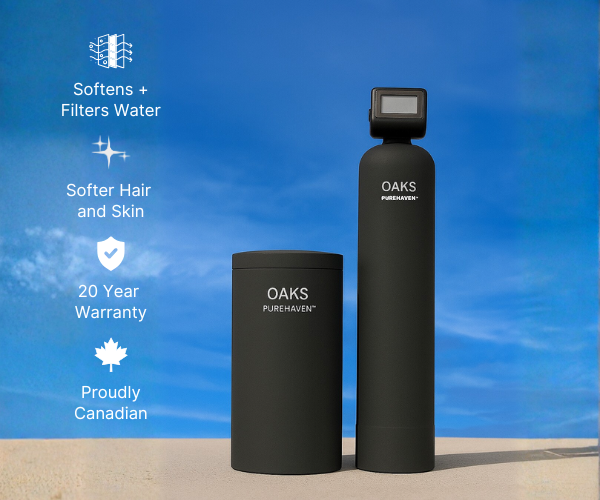
OAKS offers different types of systems for water softening:
Find your perfect system.
Your local Oaks experts will provide personalized recommendations for the right solution for your home.
Soft Water vs. Hard Water: What is the difference between hard and soft water?
Many people just get confused in the debate about what is hard water and what is soft water. You may know the difference between hard water and soft water easily:
Feature | Hard Water | Soft Water |
Mineral Content | High | Low |
Soap Efficiency | Reduced | Improved |
Scale Formation | Common | Minimal |
Appliance Protection | Lower | Better |
Laundry Results | Stiff fabrics | Softer fabrics |
Skin & Hair | Can cause dryness | Generally gentler |
Cleaning Effort | Higher | Lower |
It totally depends on your desires and needs what you want from your water. If you are OK with the problems arising from moderate water hardness, then you can use it with comfort.
But if the available water is highly hard, it is recommended to install an OAKS whole-house water softener to get the most from the water.
Effects of Hard Water on Your Home
What does hard water mean in reality? Hard water may look clear at first sight, but it may affect your home badly. It has the following impacts on your household:
Impact on Plumbing Systems
Hard water may cause scale accumulation inside the water pipes, which may reduce flow rates and cause potential repair costs.
Impact on Water-Using Appliances
Hard water affects water-using appliances like water heaters, washing machines, ice makers, and coffee makers badly. It may cause scale buildup in the appliances that may disrupt the efficiency and productivity of machinery and disturb your budget for operational maintenance costs.
Impact on Cleaning
Hard water leaves soap residue behind even after rinsing the glassware. It causes white spots on crockery. It does not make good soap scum, so it increases the usage of soap, shampoo, and detergent.
How Hard Water Affects Skin, Hair, and Laundry
It is not enough to know about the meaning of hard vs soft water; you need to know the advantages and disadvantages of both.
Hard water not only disturbs your household appliances but also your body and clothing.
Effects on Skin
Hard water may cause skin irritation, dryness, and potential aggravation for skin-sensitive conditions.
Effects on Hair
Hard water may cause difficulty in rinsing shampoo properly, which may result in a dull appearance of hair.
Effects on Clothing and Fabrics
Hard water does not allow washing powder to rinse properly, and it leaves scum residues on clothing; as a result, you may get stiff clothing and fabrics, along with faded color after washing them.
Find your perfect system.
Your local Oaks experts will provide personalized recommendations for the right solution for your home.
Benefits of Soft Water
While knowing about hard water vs soft water, you need to consider that there are a lot of benefits of soft water you may get by installing the OAKS water softener system at your home:
Better Cleaning Performance
Soft water provides you with better cleaning performance by making the soap lather in a better way with less use of soap.
Longer Appliance Lifespan
It prevents scale buildup in the appliances, improves the efficiency of your appliances, and extends their lifespan with low maintenance.
Softer Skin and Hair
It allows soap and shampoo to rinse off more easily and provides you with soft skin and smooth hair.
Lower Household Maintenance Costs
Due to less scale buildup, you need fewer cleaning efforts on water pipes and tiles, and fewer plumbing repairs.
Are There Any Disadvantages of Soft Water?
There are some disadvantages of treated softened water that may contain sodium added during the ion exchange method:
Sodium Content Considerations
Water treatment systems may add sodium to softened water during the ion exchange method. It may cause health issues for people with sodium-restricted diets.
Outdoor Watering Considerations
Sodium may affect the plants badly. So, it is recommended to use bypass valves for outdoor taps used to water the plants and lawn.
Differences in Water Feel
The soft water may give you a slippery or silky feel due to the absence of minerals in the water.
How Water Softeners Convert Hard Water into Soft Water
Most of the salt-based water softeners work on the principle of the ion exchange method, in which the resin beads remove calcium and magnesium by adding sodium or potassium to the water and making it softer.
Types of Water Softeners
Following are the common types of water softener:
- Salt-based softeners: The systems work on the principle of the ion exchange method
- Dual-tank systems: The water treatment system that provides you with a continuous supply of softer water.
- Smart water softeners: A modern technology system having an auto-control regeneration system and features of remineralization.
If you are worried about selecting the right water softener for your home, feel free to contact an OAKS expert for water testing, professional advice, and a tailored system according to your needs.
Conclusion
The difference between hard and soft water tells us that both of them are different from each other in terms of the content of calcium and magnesium in them.
Hard water may not disturb your health but may cause scale buildup on tiles, crockery, and in appliances, and cause dry skin, frizzy hair, and stiff laundry.
Whereas, soft water provides you with better experience and comfort along with extending the lifespan of your appliances.
If you want to get rid of all the problems caused by hard water, it is recommended to test your water and install an OAKS NSF-certified water softener system.
Find your perfect system.
Your local Oaks experts will provide personalized recommendations for the right solution for your home.
FAQs
What is the main difference between hard water and soft water?
The main difference between hard water and soft water is the quantity of calcium and magnesium present in it. Hard water has a high level of calcium and magnesium in it, while soft water has a lower amount or no minerals.
Is hard water harmful to your health?
Usually, hard water with a low quantity of calcium and magnesium is considered beneficial for health, whereas a large amount of hard minerals may cause gastrointestinal diseases and dry skin and frizzy hair.
Does soft water improve skin and hair health?
Yes, soft water can produce a good lather with soap and shampoo, and it helps clean so that no residue of shampoo or soap is left behind. As a result, it provides you with soft skin and hair.
Can hard water damage appliances?
Hard water can cause scale buildup in dishwashers, water heaters, coffee makers, and washing machines. Hence, it may disrupt the efficiency and productivity of appliances and damage them.
What does a water softener remove from water?
A water softener removes hardening minerals from water, making it softer. It works to provide you with softer water for the best experience of cleaning and reduces plumbing problems.
Do I need both a water softener and a water filtration system?
It depends upon the quality of available water. If your water has only calcium and magnesium, you need to install a water softener. On the other hand, if the available water is contaminated with other contaminants such as sand, dust, pesticides, and bacteria, you need to install a water filtration system along with a water softener.
Written by Joseph Mroueh
Joseph, founder of Oaks, develops high-quality whole-home and drinking-water filtration systems. He focuses on delivering reliable, clean, and safe water solutions for modern households.
Share