
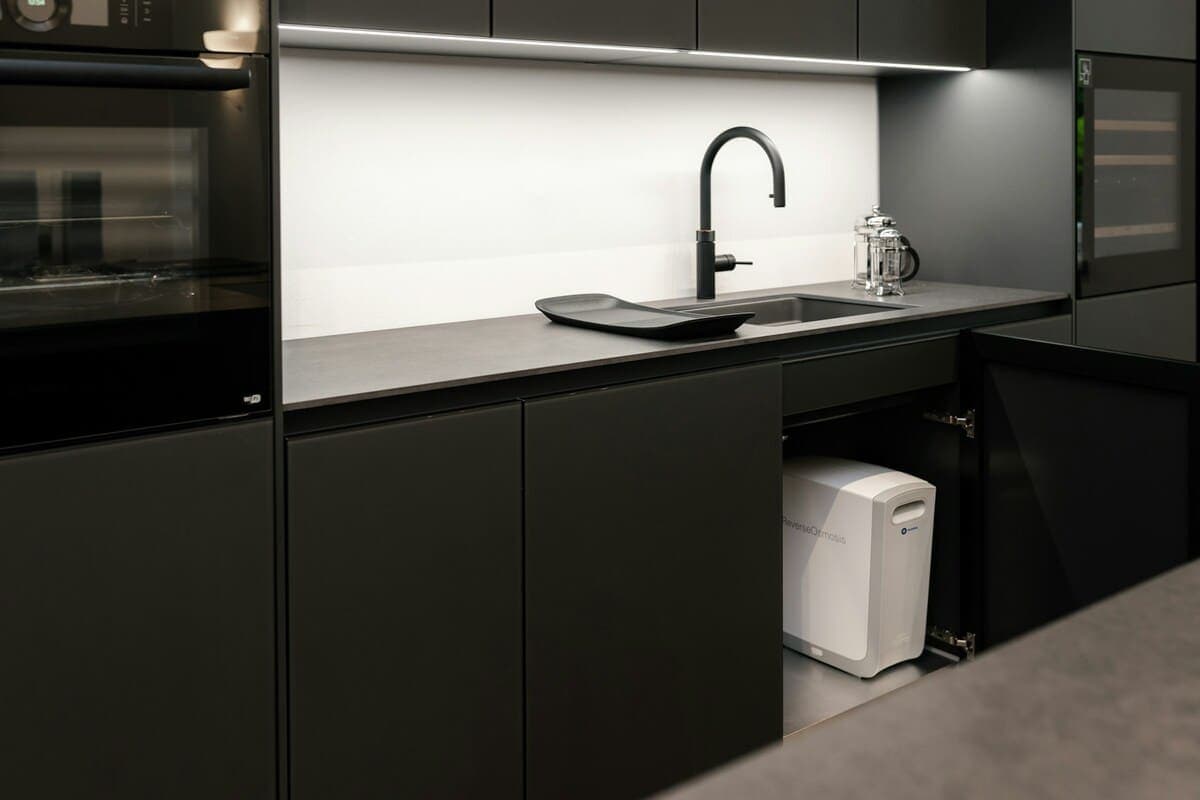
People in Ontario don’t have easy access to cleaner, healthier, and hotel-quality water. They need to install a water treatment system for better quality water, along with their comfort and peace of mind.
The first problem they face is choosing between filtered, distilled, and purified water. They do not know which type of water they need at their homes and which system should be selected. Oaks wellness water provides Ontario people with different water treatment systems according to their choice and needs.
Before choosing any system, you need to compare safety, minerals, contaminants, taste, cost, appliances, and drinking water quality.
If you need a system for everyday drinking and better taste, it is recommended to use filtered water. For maximum purity, purified water is better. For medical equipment, distilled water is better. Whole-house water filtration is recommended for whole-house use.
Quick Comparison Table
People get confused when they think about questions like: Is filtered water the same as distilled water? Is purified water the same as distilled water? Is distilled water the same as boiled water? And is RO water the same as distilled water? To understand all these, you need to know about each type of treated water in detail.
Here is the quick comparison table covering the treatment methods, minerals retained in water, contaminant levels removed, taste, and use for a specific purpose:
| Feature | Filtered Water | Distilled Water | Purified Water |
|---|---|---|---|
| Treatment Method | Carbon/RO/UV Filtration | Distillation | Various Purification Methods |
| Minerals | Usually Retained | Almost Removed | Depends on Method |
| Taste | Fresh & Natural | Flat | Clean |
| TDS | Moderate | Very Low | Low |
| Drinking | Excellent | Safe but not ideal long-term | Excellent |
| Cooking | Recommended | Limited | Recommended |
| Medical Devices | Sometimes | Best Choice | Depends |
| Cost | Low to Moderate | Moderate | Moderate |
| Best For | Everyday Drinking | Medical Equipment | High-Purity Drinking Water |
What is Filtered Water?
Filtered water is the type of water that passes through different filtration processes to remove different contaminants depending upon the filtration media used in the system. It retains the naturally occurring minerals and beneficial minerals essential for human health.
The filtration process works in a sense that it removes contaminants by using physical or chemical methods. Different filtration systems use different technologies depending upon the contaminants they can remove:
- Activated carbon
- Micron filters
- Reverse osmosis
- UV treatment
- Sediment filters
- Ceramic filters
- Remineralization media
Activated carbon is used to remove chlorine, pesticides, and VOCs, thereby improving the water’s taste and smell. Micron filters work as a physical barrier, preventing sediments, large particles, and microplastics from passing through it. Reverse osmosis uses a semi-permeable membrane to remove almost 99% of dissolved solids, PFAS, and heavy metals. UV treatment kills bacteria and viruses. Remineralization media adds beneficial minerals to water after filtration.
What is Distilled Water?
Distilled water is a water type that is changed into steam or a gaseous form, leaving behind contaminants and heavy metals, and then cooled down to convert it again into liquid form. It can be said that it is purified water to some extent, but sometimes the available water may have some minerals or impurities that may change into steam due to a low boiling point, so the distilled water may also have something other than water in it.
The whole distillation process is as follows:
Water → Boiling → Steam → Condensation → Distilled Water
Almost all minerals, such as chlorine, calcium, and magnesium, are removed during the distillation process, so it may give a flat or sometimes harsh taste.
Distilled water may be used in:
- CPAP Machines
- Humidifiers
- Steam Irons
- Laboratory Testing
- Medical Equipment
- Car Batteries
- Aquarium
What is Purified Water?
Purified water is just a category of water, not a water treatment method. If the distilled water is contamination-free, it is also called purified water. On the other hand, if filtered water has no impurities or contaminants in it, it is also purified water.
Purified water is the end product: cleaner, purer, and hotel-quality water passed through different water filtration systems and purification processes to remove each type of contaminant from available Ontario water.
The following are the different purification methods used by different water treatment systems:
- Reverse Osmosis
- Distillation process
- Deionization process
- UV
- Ozone treatment
- Carbon filtration
RO systems remove heavy metals and TDS; the distillation process removes suspended particles and other contaminants and minerals; the deionization process removes all the ionic products present in water. UV treatment kills bacteria and viruses by using UV light, and ozone treatment kills bacteria by using ozone gas. Carbon filters remove chlorine, which improves the taste and odor of the water.
Filtered vs Distilled vs Purified Water: Side-by-Side Comparison
The following is a comparison between filtered, distilled, and purified water based on the treatment process they use, the mineral content they have, their cost, and convenience:
Treatment Process
To get different types of treated water, you need to install different Oaks NSF-certified systems using different treatment processes:
| Feature | Filtered Water | Distilled Water | Purified Water |
|---|---|---|---|
| Carbon Filtration | Yes | No | Sometimes |
| Reverse Osmosis | Sometimes | No | Often |
| Distillation | No | Yes | Sometimes |
| UV Treatment | Sometimes | No | Sometimes |
| Multiple Methods | Rare | No | Yes |
Mineral Content
Each type of treated water may contain different types of minerals that may be beneficial for the human body:
| Mineral Content | Filtered Water | Distilled Water | Purified Water |
|---|---|---|---|
| Calcium | Usually Present | Removed | Depends on technology and purification method |
| Magnesium | Usually Present | Removed | Depends on technology and purification method |
| Trace Minerals | Retained | Minimal | Depends on technology and purification method |
| TDS | Moderate | Very Low | Low |
Contaminant Removal
Each water treatment system removes different types of contaminants depending on the advanced technology used in the specific system and provides you with water of different quality. Here is a comparison that shows at what level each contaminant is removed from each type of water:
| Contaminant | Filtered Water | Distilled Water | Purified Water |
|---|---|---|---|
| Chlorine | Good | Moderate | Excellent |
| Lead | Good | Excellent | Excellent |
| PFAS | RO Systems Only | Good | Excellent |
| Heavy Metals | Good | Excellent | Excellent |
| Nitrates | RO Systems Only | Good | Excellent |
| Microplastics | Good | Excellent | Excellent |
| Bacteria | UV/RO Dependent | Excellent | Excellent |
| Viruses | UV Dependent | Excellent | Excellent |
Taste Comparison
Some minerals, chemicals, and heavy metals cause bad taste and odor in water. Treated water has low levels of contaminants, so its taste, odor, and freshness change compared to the available well or municipal water:
| Feature | Filtered Water | Distilled Water | Purified Water |
|---|---|---|---|
| Natural Taste | High | Low | Moderate |
| Mineral Flavor | Present | Absent | Depends |
| Freshness | High | Moderate | High |
Cost Comparison
You may choose different treatment systems to achieve better-quality water. But you need to consider the operational cost of each before choosing one to get maximum benefits:
| Option | Initial Cost | Maintenance Cost | Long-Term Value |
|---|---|---|---|
| Pitcher Filter | Low | Low | Good |
| RO System | Moderate | Moderate | Excellent |
| Distiller | Moderate | Moderate | Good |
| Bottled Water | Low | High | Poor |
Daily Convenience
Better quality water is not a luxury; it is a basic need of each human being. Basic needs should come with daily convenience and peace of mind. You need to consider the availability, maintenance, storage process, and daily use needs for each type of treated water:
| Feature | Filtered Water | Distilled Water | Purified Water |
|---|---|---|---|
| Easy Availability | High | Medium | High |
| Maintenance | Medium | Medium | Medium |
| Storage Required | Low | High | Low |
| Daily Use | Excellent | Moderate | Excellent |
Reverse Osmosis Water vs Filtered vs Distilled vs Purified
You need to know the difference between distilled water vs reverse osmosis vs filtered vs purified water for the best choice.
All of these treated waters differ in terms of the contaminants removed from them and the purpose for which you can use them.
| Feature | Reverse Osmosis | Distilled | Purified | Filtered |
|---|---|---|---|---|
| Removes Dissolved Solids | Excellent | Excellent | Excellent | Moderate |
| Removes Heavy Metals | Excellent | Excellent | Excellent | Good |
| Removes PFAS | Excellent | Good | Excellent | Depends |
| Daily Drinking | Excellent | Good | Excellent | Excellent |
| Medical Equipment | Good | Best | Good | Moderate |
It is recommended to install an RO system to get better-quality water for multipurpose use. It is an advanced six-stage filtration system used to remove lead, PFAS, nitrates, fluoride, heavy metals, microplastics, and dissolved salts to provide you with pure, cleaner, and hotel-quality water along with peace of mind.
Common Myths about Filtered, Distilled & Purified Water
People get confused when choosing the best option for their families and homes due to some common myths about filtered, distilled, and purified water:
- Distilled water is always unhealthy.
- Purified water has no minerals in it.
- Filtered water removes everything, including beneficial minerals.
- Bottled water is always purified and best for all.
- Boiled water is the same as distilled water.
These myths are totally false. You need to test your water, compare the water types, and determine which system is better for you. If you are confused about choosing the best system for your house, feel free to contact an Oaks expert for professional advice.
How to Choose the Right Water for Your Home according to your needs
Always choose the right and best quality water for your home according to your needs:
- For better taste, choose filtered water.
- If you work with medical equipment, CPAP, humidifiers, steam irons, car batteries, and aquariums, choose distilled water.
- If you prefer maximum contaminant removal, choose purified water.
- To use cleaner water throughout the house, install a whole-house water filtration system.
- For drinking and cooking purposes, install an RO system.
Final Verdict
None of the distilled, purified, or filtered water is best for all purposes. Each type of treated water is specific for specific uses. Choose a water type according to your needs and water usage.
If you are confused about choosing the best for you and your family, feel free to contact Oaks professionals for a tailored system according to your needs.