Iron is one of the most common well-water problems all over the world. In Canada, well water contains a high level of iron because it is one of the most abundant minerals in the geography. It dissolves easily in groundwater over time and you intake iron along with it.
It shows signs such as red, brown, and yellow staining on pipelines, faucets, and tiles. You notice a metallic taste due to iron in the well water. You need to find a solution to this problem.
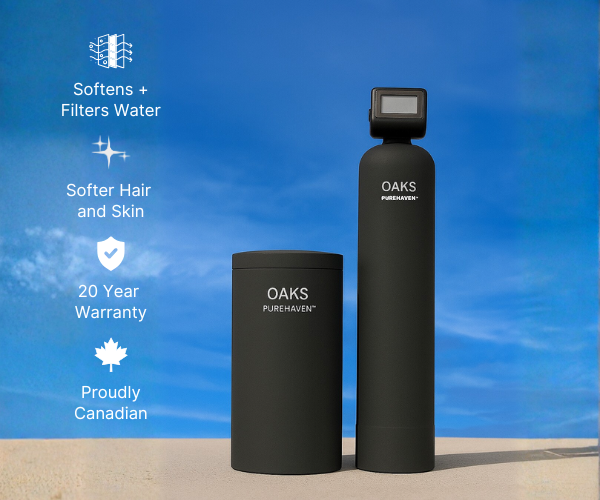
OAKS Wellness Water offers well water filters that effectively remove iron, providing you with the best experience.
What Causes Iron in Well Water?
Natural sources of iron in well water include iron-rich rocks and soil. Groundwater movement through aquifers adds iron to water. The longer the underground exposure, the higher the iron levels in well water.
Along with natural causes, corroded pipes and old pressure tanks also add to the iron in the water stream.
Is Iron in Well Water Harmful?
Iron is not just harmful to your health; it also harms your home more than it harms your family.
Iron is an important nutrient for the human body, but excessive intake can affect gastrointestinal health. It may cause water that tastes bad and smells bad. It is a secondary contaminant, but it could be more dangerous than the primary ones.
It may cause severe hair and skin issues. It disturbs cleaning and bathing. It leaves staining on clothes and stiffens them.
Along with the health issues, it damages households. It damages plumbing, valuable appliances, and fixtures. It causes red and orange staining and clogging in water pipes.
Types of Iron in Well Water
The iron in well water is not of a single type. The main solution is to identify the iron type. It may present in different forms depending upon its solubility and requires a different method to remove:
- Ferrous Iron (Clear Water Iron)
It is basically dissolved and insoluble iron present in most well water, and it turns brown after exposure and can be removed by an oxidation process.
- Ferric Iron (Red Water Iron)
It is visible rust particles, and it will appear as discoloration immediately. It shows red and orange.
- Organic Iron
Organic iron gives the water a yellow and orange tint, which is hard to remove.
- Iron Bacteria (IRB)
Iron bacteria are microorganisms that feed on iron and form slimy deposits, which can cause odors and clog pipes. The disinfection and filtration processes will remove it.
Find your perfect system.
Your local Oaks experts will provide personalized recommendations for the right solution for your home.
Signs You Have Iron in Your Water
There are some signs that show that the available water has iron in it:
- Metallic taste
- Red, yellow and brown stains
- Discolored laundry
- Blackened tea and coffee
- Clogged pipes or fixtures
- Reduced water pressure
- Slime buildup (bacteria)
If you observe any of the above signs, you need to test your water.
How Much Iron Is Too Much?
Below 0.3 ppm, iron poses minimal health risks, but levels above this may cause health issues or serious household problems.
Iron Level | Impact |
<0.3 ppm | Minimal issues |
0.3–3 ppm | Moderate staining |
3–10 ppm | Serious buildup |
10+ ppm | Severe contamination |
High levels of iron (10–30+ ppm) require custom water treatment.
How Iron Removal Works
Basically, the iron removal includes two steps:
Step 1: Oxidation
The oxidation process converts dissolved iron into solid particles.
Oxidation can be achieved by air injection with oxygen or by chemical processes using ozone, chlorine, or hydrogen peroxide.
Step 2: Filtration
When dissolved iron forms solid particles, it can be removed by filtration. The iron can be removed by greensand or Birm water filter media.
Best Ways to Remove Iron from Well Water
No single solution can remove all types of iron; different types and different sizes of iron particles are removed by using different methods:
Water Softeners (Low Iron Only)
If the iron particles are present in ferrous form at levels of 0.3-3 ppm, they can be removed by OAKS well water softeners through ion exchange.
Air Injection
Air injection is a chemical-free oxidation process that introduces oxygen into the water, oxidizing the iron.
This process works up to moderate levels of iron, but it requires heavy maintenance and can clog the system over time.
Chemical Injection Systems
Chemical injection systems could be of two types:
Chlorine Injection
It is a good disinfectant that can remove iron bacteria and other bacteria too. It needs a contact tank along with the well water filter for reaction and followed by some carbon filters to remove the chlorine.
Hydrogen Peroxide (BEST OVERALL)
It is the best solution because it is a strong oxidizer that removes high levels of iron. It requires no contact tank and works over a wide range of iron levels without clogging the system.
Ozone Systems
It provides very powerful oxidation with fast results. But it is an expensive method and requires advanced setup of water treatment systems.
Iron Filters (Media-Based Systems)
There are some iron filters, such as Greensand, Birm, and Katalox, that can remove oxidized, undissolved iron. It requires heavy backwashing regularly.
Reverse Osmosis (Drinking Only)
Reverse osmosis can remove a very small amount of iron from well water, and it is useful only for drinking purposes or at the point of use.
Sequestration (Polyphosphate)
It does not remove iron in actuality; it just prevents staining by keeping the iron undissolved and works for low levels of iron and situations where iron removal is not necessary.
Find your perfect system.
Your local Oaks experts will provide personalized recommendations for the right solution for your home.
Choosing the Right System
You need to check a lot of things before choosing the right system:
- Iron type (ferrous vs ferric)
- Iron level (ppm)
- Presence of bacteria
- pH level
- Water usage and water pressure you need
It is recommended to contact an OAKS water specialist for high- or complex-contamination issues.
Benefits of Removing Iron
The system installation is not only an addition to your household systems, but it also provides you with a lot of benefits by removing the iron from well water:
- Cleaner, better-tasting water
- No stains on fixtures, tiles, and clothes
- Longer appliance lifespan
- Improved water pressure in water pipelines
- Reduced maintenance costs of appliances and water filters
Maintenance & Monitoring
You are required to maintain and monitor the system to ensure smooth operation. You need regular backwashing, chemical refills, and media replacement.
If the maintenance is not done regularly, you will face some signs that tell you that the system is not removing iron:
- Stains return on faucets, tiles, and clothes
- Pressure drops of water
- Bad taste/odor of water
Common Mistakes to Avoid
There are some common mistakes you need to avoid before choosing any system for the removal of iron:
- Skipping water testing before choosing any system
- Choosing the wrong water treatment system
- Using a softener for high iron requires other systems and processes
- Ignoring bacteria in water
- Believing chemical-free systems claims blindly
Conclusion
Iron in Canadian water is common but manageable. You need to test the iron type at the first step, and then choose a suitable OAKS water treatment system and technology to remove the iron in the available well water.
If you are confused about choosing a system for your home, contact OAKS professionals for water testing and to tailor your system.
Find your perfect system.
Your local Oaks experts will provide personalized recommendations for the right solution for your home.
FAQs
What is the best way to remove iron from well water?
The best way to remove iron from well water depends on the type of iron present. But in modern technology, the most effective method is air injection oxidizing filtration.
Is iron in well water dangerous?
Yes, iron in well water is dangerous to human health and can damage your plumbing. A small amount of iron is good for your health, but high intake may cause gastrointestinal issues and rusting and staining on plumbing and tiles.
Can a water softener remove iron?
Yes, a water softener can remove iron through ion exchange, but it can’t remove a large amount of iron.
What is the difference between ferrous and ferric iron?
Ferrous iron is a dissolved, invisible form that can be removed by filtration and oxidation, while ferric iron is an oxidized, insoluble form that can be removed as sediment.
Can iron damage plumbing and appliances?
Yes, a high level of iron can damage plumbing and appliances. It builds up in pipes, clogs pipelines, and reduces water pressure.
Written by Joseph Mroueh
Joseph, founder of Oaks, develops high-quality whole-home and drinking-water filtration systems. He focuses on delivering reliable, clean, and safe water solutions for modern households.
Share