
One of the unnoticed Canadian household problems is hard water, which may not be harmful to your health but is obviously harsh on your appliances, skin, and hair.
The excessive minerals present in Hard Water cause scale buildup, appliance damage, and soap residue. When you face all these problems, you’ve reached the point where you need to install an Oaks Water Softener System.
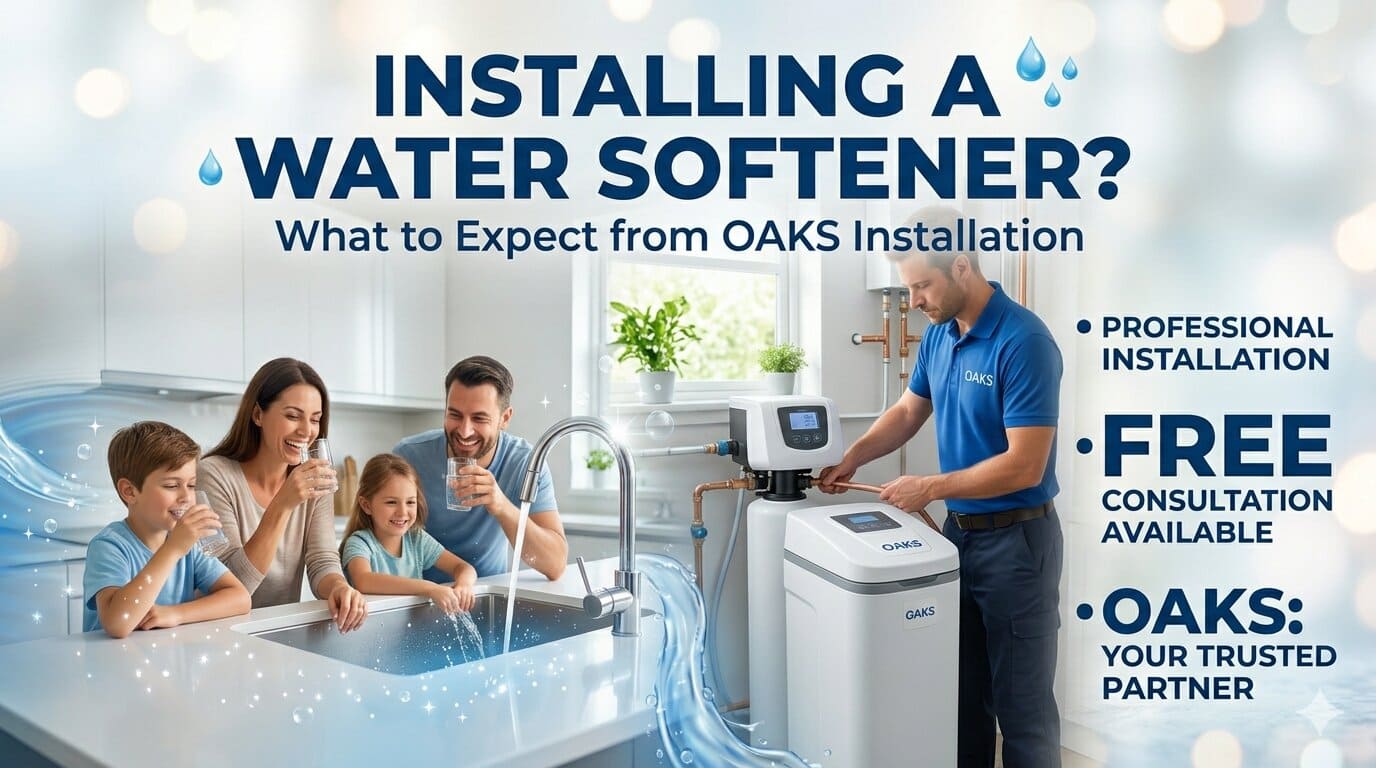
After deciding to install a water softener in your home, the first question is how to install the system. If you are experienced in hands-on system installation, you can do it yourself using installation guides. Otherwise, you need to hire an Oaks professional for the best experience, which can be somewhat expensive but comes with peace of mind.
What Is a Water Softener & How Does It Work?
The systems used to soften hard water are water softeners.
Most softeners, i.e., whole-house water softeners, work on the simple ion-exchange process. The resin beads contain sodium or potassium. When water passes through it, it releases sodium or potassium ions in exchange. It may add sodium and potassium to the water and could be safe for laundry and cleaning, but may not be safe for drinking.
Some water softener systems, e.g., under-sink water softeners, separate calcium and magnesium using a physical membrane. These systems remove excess minerals and introduce none of their own, so they provide softer, cleaner water that is preferred for drinking.
Factors to Consider before Installing a Water Softener
Once you decide to install a water softener in your home, you need to consider several factors to choose the best system for your needs.
Water Hardness Levels
First, you need a water test to check the hardness of the available water. It varies depending on the Canadian location where you live and the type of water you use, i.e., well water or municipal water.
If the water hardness level is higher than one, your system needs to work harder, and you need to install a bigger system.
Household Water Usage
Once you know the water hardness level, consider your family and household size. If your daily water consumption is high, you need a bigger system.
It is recommended to consider the future needs. If you expect your household size to grow due to a renovation, choose a system size that matches that size.
Installation Location & Space Requirements
The selection of the installation location is an important factor in Canada cities. You need to consider the location of the water line, power outlet, and drainage access, and the most important thing is the temperature of that specific area.
Mostly, whole-house water softeners are installed near the main water line, and under-sink systems are installed in kitchen cabinets. You must have enough space there, a power outlet, and access to a drain for wastewater.
The Canadian freezing temperatures may damage the system by increasing pressure on valves and pipelines, so choose a location where you can maintain the temperature within a moderate range.
Plumbing Type & Home Age
The plumbing type should be considered when determining the installation complexity. If your home has PVC or PEX plumbing, it would be easier to cut the pipes than if it has copper or iron pipes. The copper pipes will increase the complexity of the installation process.
Home age is also a factor in increasing complexity, as older homes are more prone to rusting and corrosion, which increases the risk of leaks during installation.
Local Regulations & Environmental Concerns
Most water softeners release brine along with the wastewater, which directly enters the environment and isn’t really good for the land. Some areas have local regulations prohibiting the release of this type of material. So, you should check the local regulations.
If you face such a problem, you should choose a system that softens water by physically removing excess minerals.
DIY vs. Professional Installation Decision
After selecting the system, you need to decide on the installation.
If you are skilled and can fit the systems easily, you can install it using DIY methods by following the guidelines. On the other hand, you need to consider professional installation.
It is recommended to go for Oaks professional installation, which may be costly but offers peace of mind through expertise, safety, and warranty.
Tools Needed for Installation
If you hire a professional for the installation process, he will obviously have all the tools required to fix the system. If you install it using the DIY method, you will need the following tools for a smooth process:
- Adjustable wrench
- Pipe cutter
- Screwdrivers
- Measuring tape
- Bucket
- Towels
Materials Needed for Installation
For a smoother installation, you need to arrange the following materials before starting the process:
- Water softener unit
- Bypass valves
- Flexible power supply lines
- Drainage tubing
- Water softener salts
- Plumber’s tape
Step-by-Step Guide – How to Install a Water Softener
Installing a system requires careful planning to ensure that your system works efficiently. Before using any tool, it is important to understand the complete installation process.
Each step plays an important role in providing you with the best experience. Any small mistake may cause leakages, poor performance and long-term system damage.
Choose the Right Installation Location
In Canadian freezing temperatures, the selection of the right installation location is an important factor. Choose a dry, well-ventilated space with a moderate temperature, having power supply access and a water drainage pipe nearby.
Turn Off Main Water Supply
Before starting the installation process, turn off the main water supply and open all the faucets to drain all the water from the water lines. If you skip this step, it may cause a water burst during the pipe cutting process, making installation unsafe and more difficult.
Turn Off Water Heater
Turning off the water heater is an essential step to prevent equipment damage from dry heating. If you don’t turn it off, it will cause overheating of the system without water flow and cause a safety hazard during installation.
Install the Bypass Valve
A bypass valve works to provide you with soft water when needed. It also provides hard water temporarily when the softener is offline. It works during repairing and maintenance performance without cutting the water supply to the home. Install it carefully according to the given instructions.
Cut Into the Main Water Line
Measure carefully before cutting the main water line. Ensure the proper alignment to fix it with the inlet and outlet ports. Never do these steps very quickly; always double-check the measurements to prevent any damage.
While cutting, you may face a mess of residual water, so keep a bucket or a towel to handle it.
Connect Inlet & Outlet Lines
Observe the marks on the system to connect the inlet and outlet lines for smoother flow. If these ports are fitted in opposite directions, it may cause the entire system to fail. Tight the ports carefully, but avoid over-tightening.
Connect the Drain Line
Attach a drain line to the drain port, along with ensuring the air gap and proper slope to avoid backflow contamination. Avoid introducing the drain port directly into water, as it may cause system failure. It should be fitted with floor drains, sinks or some stand pipes.
Connect the Brine Tank & Overflow Line
If your system needs a brine tank, place it near the main tank and connect it to the overflow line directly connected to the drain. It prevents system damage by removing extra water when the water tank is full.
Add Salt to the Brine Tank
If your system uses salt, always add the recommended salt, and while filling it in the brine tank, follow the guidelines to ensure smooth working. Avoid using the rock salt that damages your system.
Turn On Water & Check for Leaks
Slowly turn on the water lines by opening the bypass valve partially and check for leaks. If there is any leakage, tighten it gently and fix it on time. Allow all the taps to run water to flush the air from the water line. Inspection on this step avoids long-term damage and water loss.
Program the Water Softener
Program your system according to your needs and check the hardness level to ensure that your system is providing you with soft water. Check the regeneration schedule during low-water usage hours.
Run Initial Regeneration Cycle
Initiate the first regeneration cycle manually, let it be completed, and have a final check for leakages. This final step makes sure that your system has been installed successfully and will operate correctly for a long time.
Post-Installation Checks & Testing
The process does not end with the installation of the system; post-installation checks and testing are important to ensure long-term efficient performance and peace of mind.
After the system installation, check the fittings, clamps, and hoses to ensure they are securely fastened and there is no leakage. A small leakage may cause damage to your entire system over time. If you notice any minor issues, ask your plumber to fix them promptly.
Test the water hardness again to ensure the water softener is actually removing calcium and magnesium, providing you with soft water.
Homeowners should notice in daily household life that they get better-tasting water and a smoother feel while cleaning, bathing, and doing laundry. These early observations obviously help you to confirm that your water softener system is working.
Water Softener Installation Cost Breakdown
The full cost needed for the water softener installation includes:
- The highest and main cost is of the water softener unit.
- Besides the unit cost, you need to pay labor charges if you prefer professional installation.
- If your home needs any plumbing modifications, you need to pay some extra cost for plumbing material and its fittings.
DIY installation is cheaper than a professional one, but it is risky and may cost a lot in the long run.
DIY vs Professional Installation – Which is Better?
DIY installation may offer you upfront savings, but even a small mistake can cause big damage that creates unnecessary stress. Professional installation could be costly, but it reduces risks and could be budget-friendly in the long run to provide you with the best experience, along with peace of mind.
- If you have plumbing knowledge and the right tools to install the system, you can go DIY by following the guidelines given with the system.
- If your plumbing system is complex and you think your plumbing needs some modification, consider professional installation.
After Installation – Maintenance & Care Tips
Proper maintenance and care after system installation is an important thing to keep your system working efficiently for a long time.
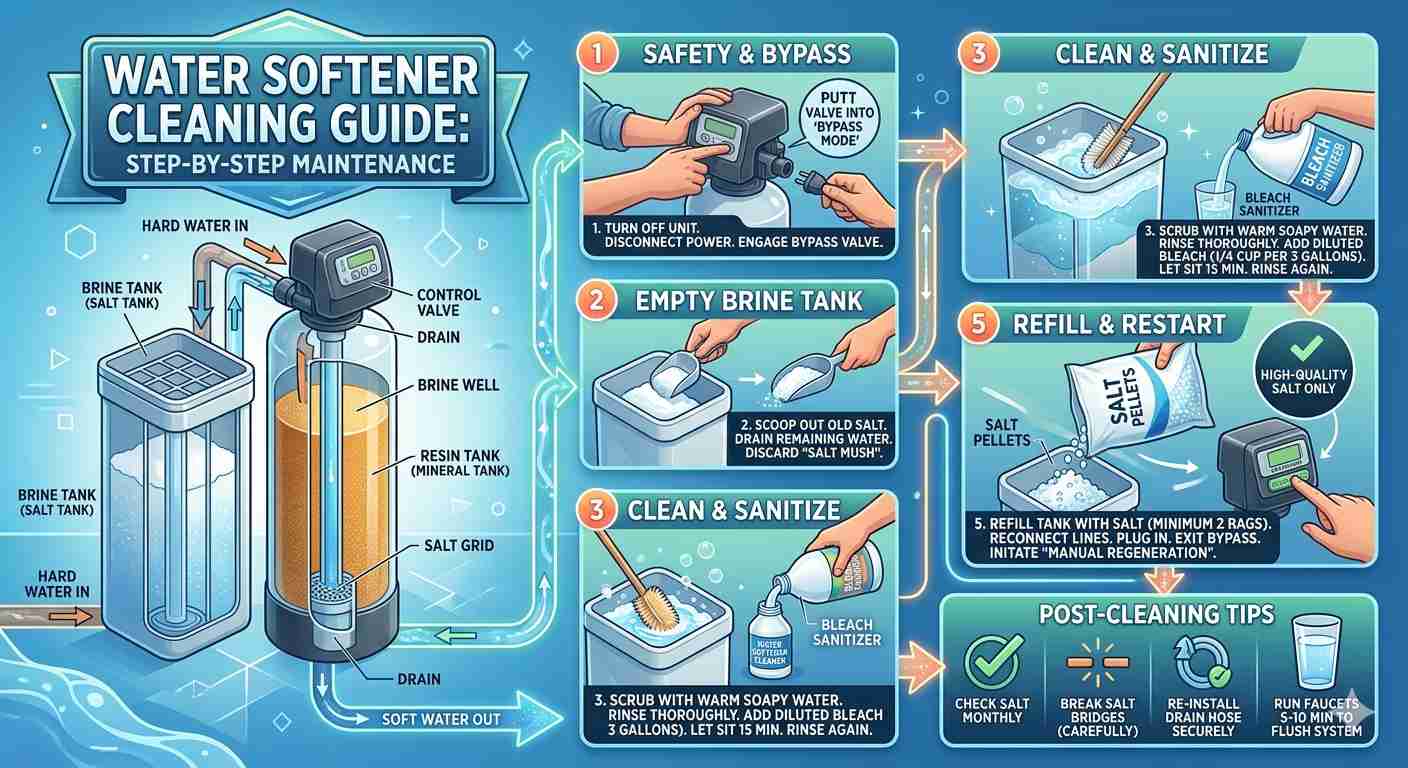
- You need routine maintenance of the system, including salt refilling, cleaning the brine tank and replacing the filtration membranes.
- You should monitor your system frequently to check its performance.
- If you face any performance issues or leakages, you need to call a professional for the system’s maintenance.
Conclusion
Installing a system is not just an improvement task; it is a long-term investment to get softened water for your comfort and the protection of your household.
You need to choose the best water softener system according to your needs to get benefited for a long run. Installation of the system is a major step to get comfort and be tension-free.
If you are confused about the system selection or system installation, feel free to contact Oaks Wellness Water to get professional advice and install a system tailored to your needs with a 20+ year warranty.