Keep Your RO System Performing at Its Best
Clean water is important for your family’s health. Tap water may contain high levels of some minerals, i.e., calcium and magnesium, dirt, chemicals, and other harmful substances that make it unclean and unhealthy. That is why many homes in Ontario look for safer options, i.e., for installing a water filtration system.
The most reliable solution to clean the water is a Reverse Osmosis system. It may remove extra minerals, metals, sand, dirt, and other microscopic chemicals through its multi-filtration stages. Mostly, it is an under-sink filtration system used to get clean water for drinking and cooking purposes.
RO is the best system to clean water, but it needs proper maintenance after a specific time. If its filtration membranes are used for a long time and aren’t replaced they wear out and water quality drops again. It is important to know how to protect your system and how often to change your RO filters to get cleaner water throughout.
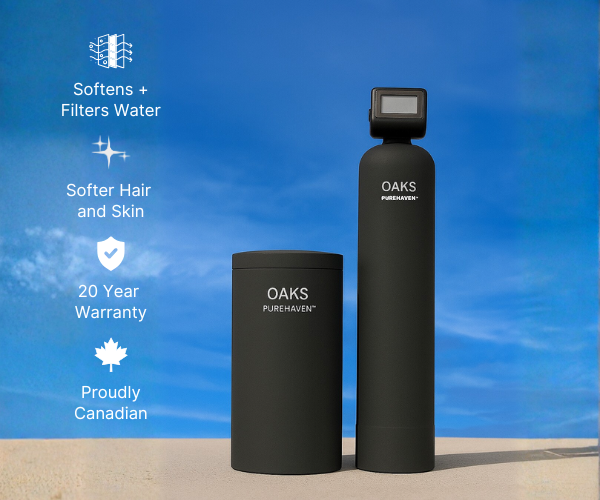
OAKS Wellness Water provides safe and trusted RO systems with a 20+ year warranty to many households across Ontario.
How Often Should You Change Each RO Filter?
Ro water filtration systems contain different filtration stages, and each of them needs maintenance after a specific time. The following is the guide to maintain each filtration stage:
- Sediment Filter (Every 6-12 months)
- Sediment filters remove sand and dirt from water, and in this way it may protect the RO membrane.
- It needs maintenance after 6-12 months.
- Carbon Pre-filter (Every 6-12 months)
- This stage is used to remove chlorine that may damage the RO membrane. In this way, it protects the main RO membrane and increases its lifespan.
- You should replace it after 6-12 months for better results.
- RO Membrane (Every 2–3 years)
- RO membrane is the main filter used in the RO system that removes extra salts and harmful metals, i.e., lead and arsenic, etc.
- You need to replace it every 2-3 years for better results.
- If TDS (total dissolved salts) levels are high in available water, you may need to change it soon.
- Re-mineralization Filter (Every 12 months)
- It adds healthy minerals and improves the taste of available water.
- You should replace it once a year.
- Post-Carbon Filter (Every 12 months)
- This filter helps give hotel-quality water with a cleaner, healthier, and smoother taste.
- You need to change it every year.
Signs Your RO Filters Need Replacement
RO filters work best when they are clean. When they get old or clogged, your system will show some clear signs. The following are the signs by which you get to know that it’s time to replace your RO filters:
- Strange Water Tastes
- Sometimes water’s taste gets a bit strange, i.e., bitter, dusty, or metallic.
- It usually means that the carbon filter is full and can’t work properly.
- Water Smells Bad
- Sometimes, you feel a strong or unpleasant smell in the water.
- It means any of the filtration stages got worn out, and it needs maintenance.
- Slow Water Flow
- Sometimes, the water flow becomes so low that it means the filters are blocked.
- The sediment filter may be filled with dirt.
- This is a clear sign that replacement time is near.
- Cloudy Water
- If the water looks cloudy or dirty, the sediment filter is overloaded.
- It means it does not hold any more particles, so it needs to be changed.
- High TDS (Total Dissolved Solids) level
- There is a TDS meter fitted in the system that checks water quality.
- When the TDS level rises, it means the main RO membrane is getting filled and weak and you need to replace it.
- Filters Look Dark or Rusty
- If filters appear brown, black, or rusty, replace them immediately.
- Old filters can no longer purify water safely.
Maintenance of your filters on time keeps your RO water filtration system safe, giving you clean and healthy water.
Tips to Make Your RO Filters Last Longer
The following are the steps that may increase the age of RO filters and protect your system for a longer time:
Clean Filter Housings
Clean filter housings are the protective covering around the filtration system. Whenever you change your filters, always wash the filter housing too. Because old dirt sticks to the housing walls and can quickly dirty new filters. Clean housing helps filters last longer.
Watch Your Water Use
Filter life depends on how much water your family uses. Larger families use more water, so filters fill up faster. If your usage is more than the normal usage, you need to adjust the replacement schedule.
Use Good-Quality Filters
Good-quality filters work better, last longer, and protect your system, whereas cheaper ones clog in a shorter time and damage the RO membrane.
Don’t Skip Maintenance
If maintenance is skipped, the filters would block, putting pressure on the system while filtering the water. Whereas regular maintenance keeps your system safe.
Check TDS Levels Regularly
If TDS levels increase, it means the RO membrane is getting worn out. So, you need to check the TDS levels regularly to catch the problem early.
Fix Leaks Quickly
The leakages in the system may bring contaminants into the system and put pressure on filtration membranes. If you feel there is any leakage in the system, fix it quickly.
Need New RO Filters?
Ensure your reverse osmosis system continues producing clean, healthy drinking water with expert filter replacement recommendations.
Cost vs. Long-Term Value
Taking precautionary measures for your RO filters may not be budget-friendly for a specific time, but it saves your money over a longer time. It also provides you with healthier and cleaner water.
Cost Factor | Short-Term View | Long-Term Value |
Filter Changes | Small yearly cost | Protects the system for a long time |
RO Membrane | Expensive to replace | Lasts longer and protects the system |
System Repairs | Very costly overall | Can be avoided easily |
Water Quality | Becomes bad with old filters | Stay safe and clean |
Home Appliances | Get damaged by hard and unclean water | Last longer with soft and clean water |
Environmental and Health Benefits of Clean RO Filters
The following are the benefits of clean RO filters:
Cleaner, Healthier Water
Clean filters filter the water efficiently, providing cleaner, healthier, and hotel-quality water.
Better Minerals for Hydration
The remineralization stage in the RO system puts the essential minerals back into the water to make its taste better, which keeps you hydrated.
Less Plastic Waste
By using an RO system for cleaning water, the amount of bottled water would be used in less quantity, and as a result, it cuts down the plastic waste.
Better Cooking and Longer Appliance Life
Mostly, the RO system is an under-sink system used to clean water for drinking and cooking purposes. The clean filters provide the best quality water that is good for your health. It also protects kitchen appliances and water taps from scale buildup.
Conclusion
To get better, hotel-quality, clean and healthier water, you need to clean the RO filters regularly. If the recommended maintenance schedule is followed, your system will run better and last longer.
If you take care of your RO system, it will protect your health and your home, save your money for repairs, and give you clean and healthier water every day.
Your home needs clean and safe water, and it all starts with clean RO filters. If you need help with your system or filters, contact OAKS team for assistance and expert recommendations.
Not Sure When to Replace Your RO Filters?
Get personalized advice from Oaks water specialists and keep your reverse osmosis system running at peak performance.
FAQs about “Change RO Filters”
How much does it cost to replace an RO filter?
It depends on the type of filter. Small filters are usually cheap, while the RO membrane costs more. Replacing filters on time saves bigger repair costs later.
Do RO filters need maintenance?
Yes, they do. They collect dirt and chemicals daily. Regular maintenance keeps your water safe and your system protected.
How do you sanitize an RO system?
Turn off the water, remove the filters, and use a safe RO sanitizing solution. Wash the housings and reinstall the filters. This keeps the system clean and healthy.
How to know if your RO system is working well?
Check the taste, smell, flow of the water, and the TDS meter. Low TDS means your system is working well.
Can you change RO filters yourself?
Yes, mostly people replace filters at home. Just follow the guide of your RO system, and always shut off the water first and change the filters easily.
Why do filters only last about 6 months?
Filters collect contaminants every day. Once they are full, they can’t filter water properly anymore. That’s why most filters need replacement every 6 months.
Written by Joseph Mroueh
Joseph, founder of Oaks, develops high-quality whole-home and drinking-water filtration systems. He focuses on delivering reliable, clean, and safe water solutions for modern households.
Share